Someone once asked me what the difference was between creating a novel and writing short fiction. I rejected my first thought – the wordcount – because nobody likes a smart-arse. Instead, here are my next four thoughts about short fiction:
- Every word has to earn its place
- It needs a strong / intriguing opening
- Even though it’s a short story, it needs to tell the whole story
- Readers need to know quickly what they’re getting into (the essential conflict, genre, and tone)
If less is more, then writing short fiction means creating clarity on the page. No room for a prologue and not much space for back story.
The most famous really short story is: “For sale: baby shoes, never worn.” It’s usually attributed to Ernest Hemingway but versions of that story were circulating when Hemingway was seven years old. Unless he had a good memory.
The brilliance of that short story is that the reader does the heavy lifting by filling in the blanks. We imagine a terrible loss, a disappointment, or a permanently estranged parent. Of course, the shoes might have been too small when they were received as a gift, but where’s the story in that?!
When I was researching for this blog post (you think I just make it up…) I read on Reddit about Oxford students who, on learning that Rudyard Kipling received ten shillings for every word he wrote, sent him ten shillings and asked for “one of your very best words.” Kipling replied with, “Thanks.”
Here are some other six word stories to enjoy: https://www.buzzfeed.com/anjalipatel/six-word-stories-that-will-take-you-on-an-emotional-rolle
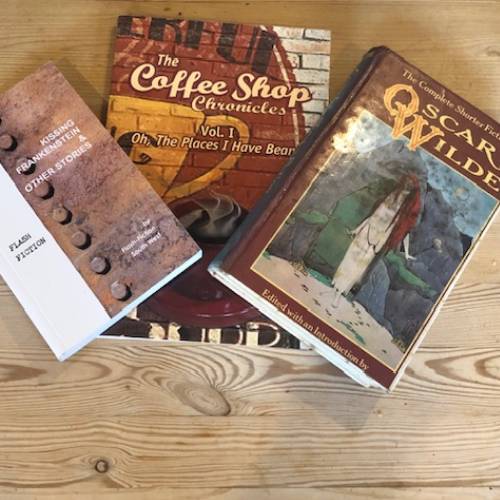
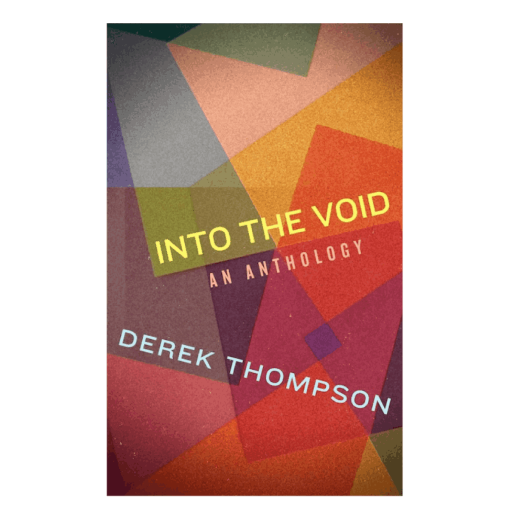
I have dabbled in short fiction over the years. I like its brevity and discipline, although my shortest was only 50 words. Some of my stories made it into anthologies, through competitions or fundraisers. I brought those stories together into a collection, along with some previously unpublished ones, as Into the Void.
Leave a Reply